


The 7 No-Cool Clues Your AC Technician Checks First: Air Conditioning Repairs in Slidell, LA
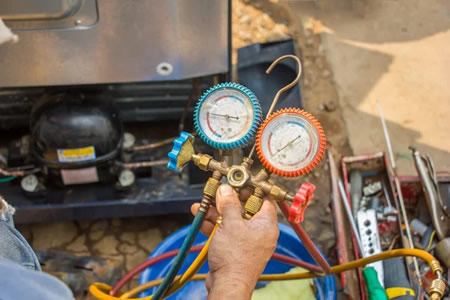
When your air conditioner is running but the house still feels warm, it’s more than annoying. It can be risky in Gulf heat and humidity. During an air conditioner not cooling call, a Northshore A/C & Heating Services, LLC technician follows a proven sequence to find and fix the problem fast. If your home in Olde Towne, Eden Isles, or Cross Gates needs quick help, start with trusted air conditioning repairs from a local team that knows Slidell, LA weather.
Below are the first seven “no-cool” clues a pro checks. You’ll see how each clue points to common causes like a dirty coil, low refrigerant, or capacitor failure. Along the way, you’ll learn how technicians reduce repeat breakdowns during peak summer on the Northshore.
Why “No-Cool” Feels Worse In Slidell, LA
Summer on the Northshore brings high temperatures and sticky air off Lake Pontchartrain. Even if your thermostat shows a lower number, high indoor humidity can make rooms feel muggy and uncomfortable. Homes on slabs and older raised cottages in St. Tammany Parish often battle heat gain from the attic, sun-facing rooms, and leaky ducts. That’s why the diagnostic process looks at both temperature and moisture, not just the thermostat reading. If deeper service is needed beyond a repair, air conditioning services can help improve airflow and dehumidification so your home actually feels cool.
The Seven No-Cool Clues Your Technician Checks First
1) Thermostat And System Settings That Block Cooling
First stop is your controls. A pro confirms the thermostat is calling for cooling, the right mode is selected, and the wiring and staging are correct for your system. In this area, many homes use heat pumps. If the reversing valve signal is wrong or the system is in the wrong mode, you can get warm air when you expect cooling. A quick control check avoids wasted time and rules out a simple, easy-to-miss cause for an air conditioner not cooling.
2) Safety Switches And Power That Quietly Shut You Down
Modern systems protect themselves. A clogged drain can trip a condensate float switch, cutting the indoor unit to prevent water damage in a hallway or attic. Outdoor disconnects, breaker issues, or a blower door switch can also stop cooling with no obvious signs. Your technician tests these interlocks, verifies voltage, and restores safe operation before moving deeper into the equipment. Capacitors store electricity even when power is off, so only a qualified pro should handle these checks.
3) Airflow Red Flags That Make Cold Air Disappear
Cooling depends on the right amount of air moving over the coil. Weak airflow turns a healthy system into a no-cool. Your technician measures static pressure, inspects the blower, and looks for return blockages and duct kinks. Low airflow can also cause the indoor coil to ice over and stop heat transfer entirely. Never run an AC with a frozen coil because it can damage components and extend downtime.
- What the tech measures: fan speed, static pressure, and temperature split across the coil.
- What the tech inspects: blower wheel cleanliness, motor health, returns and supplies, and duct restrictions.
4) Dirty Coils That Steal Your Cooling In Louisiana Humidity
Dirty coils are a top cause of “AC running, not cooling” in Slidell. On the indoor side, a dirty evaporator traps moisture and grime, choking off heat transfer and letting humidity linger. Outdoors, the condenser sits in wind, rain, and yard debris. When its fins get packed with dust or grass clippings, the unit can’t reject heat. The result is higher pressures, longer run times, and lukewarm air inside. A pro-grade coil cleaning and fin straightening restores the heat highway your system needs.
5) Capacitor Failure Or A Stuck Contactor That Stops The Show
During lightning season and frequent afternoon storms, weak capacitors and pitted contactors are common troublemakers. A bad capacitor leaves the compressor or fan humming but not starting. A burned contactor can prevent power from reaching the motor altogether. Your technician tests microfarads under load, inspects the contact points, and verifies safe amperage draw. Fixing these components often brings an instant return of strong, cold airflow.
- Clues your tech notes: outdoor fan not spinning, warm air at the vent, frequent short starts.
- Common repairs: start/run capacitor replacement, contactor replacement, fan motor testing.
6) Low Refrigerant Or A Leak That Fakes A “Working” AC
If the charge is low, your system may still blow air, but it won’t remove enough heat. That’s why pros check superheat and subcool values rather than guessing. In older equipment, tiny leaks at flare fittings, Schrader cores, or coil joints are common. Your technician can perform a leak search and recommend the right next step. Do not keep “topping off” refrigerant without fixing the leak; it shortens equipment life and comfort still suffers.
7) Duct Leaks And Humidity Load That Overwhelm Cooling
Finally, a system can be fine but the house is fighting back. Torn attic ducts, leaky returns, and unsealed chases pull in hot, wet air from the attic or crawlspace. That adds a heavy moisture load the AC cannot handle, so rooms stay clammy even when the thermostat says you’re at setpoint. Your technician checks for pressure imbalances, inspects accessible ductwork, and may suggest sealing and balancing. If moisture control is a recurring issue, solutions can be coordinated with indoor air quality services so your home feels crisp, not sticky.
How A Pro Pinpoints No-Cool Fast
Speed matters on a 95-degree afternoon. Technicians start with big-impact checks that are most common in South Louisiana: control settings for heat pumps, safeties, airflow, and coil condition. Then they move to electrical tests, capacitor and contactor health, and finally confirm refrigerant charge and potential leak points. This order solves the majority of no-cool calls quickly and helps prevent repeat visits during heat waves or after thunderstorm power blips.
Because Slidell homes vary widely — from brick ranch homes in Cross Gates to waterfront properties in Lakeshore Estates — system needs vary too. Shaded lots, attic insulation levels, and window orientation can all change how the AC performs. If multiple small issues show up, the priority is usually the fix that brings the fastest comfort first, followed by longer-term improvements as time allows.
Local Patterns We See In Slidell, LA
Common seasonal trends help speed up diagnosis:
- After early-summer storms, capacitor failure and contactor pitting often increase.
- During peak pollen and mowing season, outdoor condensers clog and indoor coils load up faster than normal.
- In older cottages and additions, mixed duct sizes and long runs often lead to weak airflow and iced evaporator coils.
If your home matches any of these patterns, mention it when you schedule service. It can shave minutes off diagnostics and get cold air back sooner.
When Repair Meets Comfort: Beyond The Fix
A great repair restores function. A great plan restores comfort. If humidity stays high after the fix, ask about blower setup, duct sealing, and dehumidification strategies. These are part of whole-home comfort, not just emergency repair. For broader upgrades and seasonal tune-ups, visit the air conditioning services page for options tailored to the Northshore climate.
Some no-cool calls reveal a control issue that crosses into heating mode, especially with heat pumps. If you’ve noticed strange behavior during short winter cold snaps, the heating contractor team can review settings and staging so your system is ready for both seasons.
What To Expect From Northshore A/C & Heating Services, LLC
The team arrives with the right tools for Louisiana’s climate: coil-cleaning setups, electrical testing gear, and diagnostic equipment for airflow and refrigerant readings. You’ll get a plain-English explanation of what failed and why, along with recommendations that fit your home’s layout and lifestyle. If your system is down right now, start a priority ticket for air conditioning repairs to get back to comfort quickly.
Ready For Reliable Cooling In Slidell?
When the air feels warm or muggy and your AC won’t keep up, trust the team that lives and works here. For fast diagnostics and lasting fixes, choose Northshore A/C & Heating Services, LLC for air conditioning repairs in Slidell, LA. If your home needs a targeted repair today and airflow or humidity improvements next, the right path can be mapped out clearly. Call 985-646-2704 and bring back that crisp, cool feeling.
A tripped float switch is a protection feature, not a nuisance. It saves ceilings and floors from water damage. If yours is active, the safe move is to have a pro clear the line and reset the system, then verify no further blockages exist. For help restoring safe operation and steady cooling, explore indoor air quality options along with the repair so moisture stays in check after the fix.